Ask the Department of Veterans Affairs what injury it compensates most often. The answer is not a wound from combat. It is tinnitus, a ringing in the ears that never stops. Roughly three million veterans receive compensation for it. Hearing loss is also in the top five.
A known cause
Most of that damage comes from noise, and much of that noise is gunfire. Years of training on ranges add up. So do the moments when there was no time to put in earplugs.
Tinnitus has no cure. Veterans describe it as never sitting in a quiet room again. It is linked to poor sleep, trouble concentrating and depression.
The military already changed course
The armed forces have started to treat this as a problem to engineer away. The Marine Corps began issuing suppressors to its infantry units in 2020. Its officers said suppressors let Marines hear each other in a firefight, and that they hoped to cut hearing damage.
If a suppressor is good enough protection to issue to Marines, it is hard to argue that the same device is too dangerous for a veteran to buy at home.
After the uniform comes off
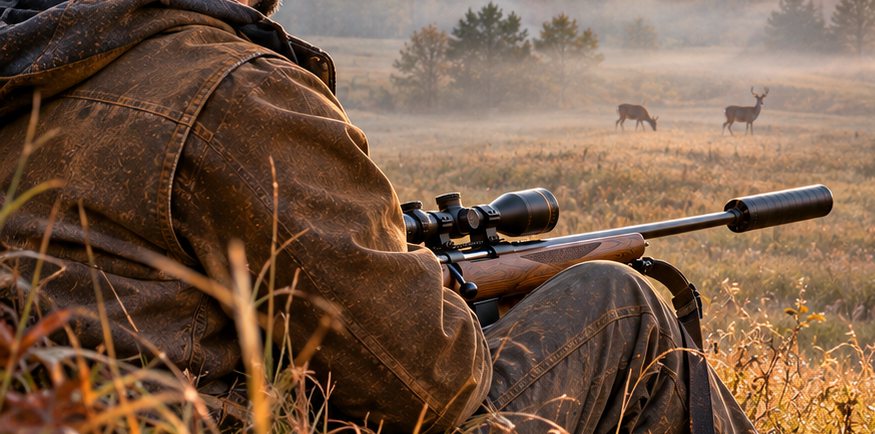
Many veterans keep shooting after they leave the service. They hunt. They teach their kids. Every unsuppressed shot adds to damage they already carry.
For most of the last century, a veteran who wanted to protect the hearing they had left faced a $200 federal tax and a registration wait that ran for months. The price of doing the careful thing was higher than the price of doing nothing.
What we ask
Nothing here changes who can own a gun. The laws that keep firearms from people barred from having them stay as they are.
We ask lawmakers who serve on veterans' committees to see suppressors the way an audiologist at the VA would. They reduce blast exposure. They belong with hearing protection, and veterans should be able to afford them.
Hearing protection is veterans' care. We should fund the outreach, study the results and stop charging veterans extra for it.