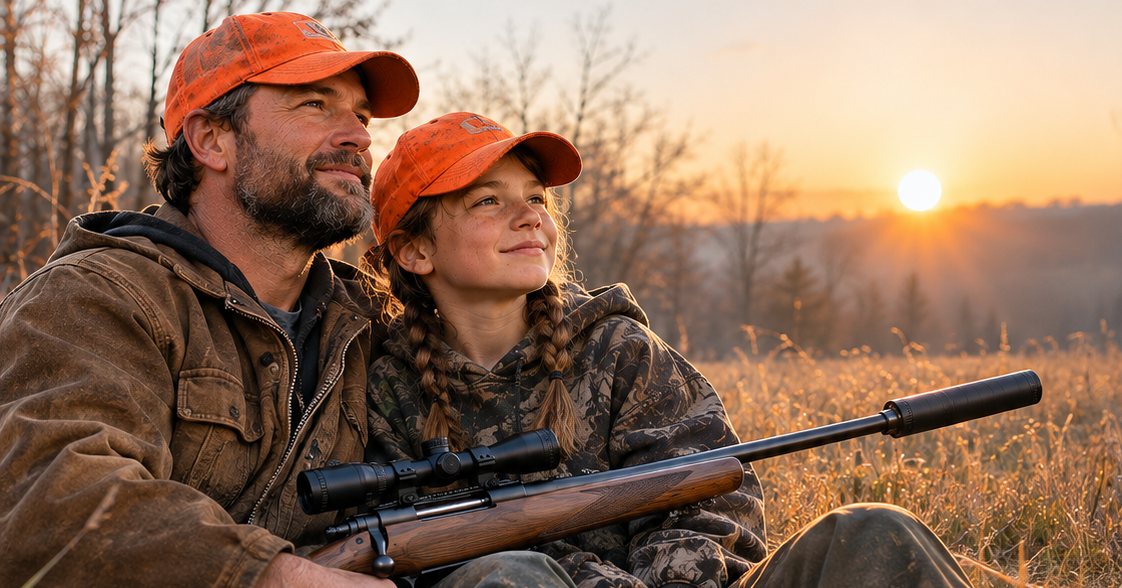
In much of rural America, a deer in the freezer is a real part of the household budget. Wild game is lean, local and close to free. Families who hunt for food are not buying a lifestyle. They are feeding their kids.
Who paid the tax
For more than ninety years the federal government charged $200 for permission to buy a suppressor, on top of the price of the device. The tax was set in 1934 and never changed.
A flat fee like that is the textbook definition of regressive. It is a rounding error for a wealthy sportsman with a safe full of rifles. It is a week of groceries for a family that hunts to eat. Add the paperwork and a wait that ran for months, and the result was predictable. People with money protected their hearing. People without it went without.
Safety should not depend on income
Democrats have made this argument for years in other settings. We do not think clean water, safe workplaces or seat belts should be luxuries. We object when a fee falls hardest on the people least able to pay it.
Hearing protection fits the same principle. A subsistence hunter's ears are worth exactly as much as anyone else's.
The tax is gone for now
On January 1, 2026 the federal tax on suppressors fell to zero. That is progress, and it is fragile. Congress cut the tax and a future Congress can bring it back. The relief from registration rests on a court ruling and an agency policy.
When that fight comes, some will frame the tax as gun control. It was never that. It did not keep suppressors from the well off. It kept them from working people.
What we ask
Oppose any effort to restore the tax and registration.
Go one step further. The SAFE Act concept includes grants to help low-income and subsistence hunters get hearing protection, the same way public health programs help with car seats and smoke detectors. That is what treating this as an equity issue looks like.